By Emily Parker
Updated November 2026
A child’s chore chart free printable can take you from a fridge covered in nagging to a routine your kids run on their own. This guide walks you through choosing a layout, writing tasks kids can understand, printing and posting the chart, and keeping it working after the first week. You will end up with a chart that fits your family and a simple system for checking it. For a deeper look, Children's Chore Chart Excel: 6 Steps to a Tracker Kids Will Use covers this in detail.
Step 1: Pick a Chart Style That Fits Your Child’s Age
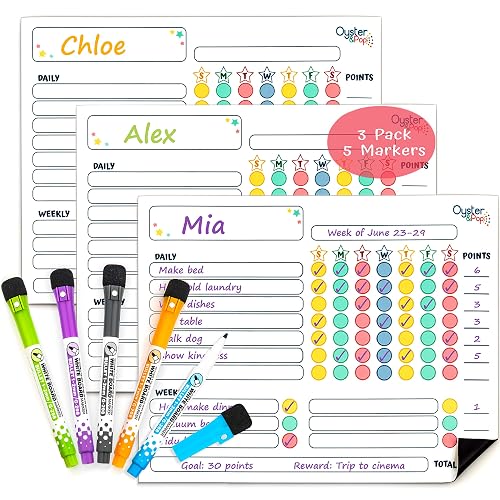
The best chart is the one your child can read without help. Younger kids respond to pictures and checkboxes, while older kids handle written lists and weekly grids. Most free printable charts come in a few common formats:
Shopping for one? See our guide: Free Printable Chore Chart with Money: 5 Best Options for Busy Families.
- Picture-based daily charts for children who cannot yet read well
- Checklist charts with one row per child and one column per day
- Weekly grids for older kids who manage several tasks across the week
If you are unsure, start simple. You can always move to a more detailed layout once the habit sticks. For more layout ideas, see Printable Children's Chore Chart: 7 Steps to a Layout Kids Will Use.
Step 2: Choose Tasks Your Child Can Finish Alone
Match each task to your child’s ability. A five-year-old can usually pick up toys, feed a pet with supervision, and put dirty clothes in a hamper. A ten-year-old can often empty the dishwasher, make their bed, and sweep a kitchen floor. Keep the list to three to five tasks per child per day so the chart does not feel overwhelming.
Write each task as an action with a clear finish line. “Clean room” is vague. “Put all toys in the bin and clothes in the hamper” tells your child exactly when they are done. Cute Chore Chart Template: 7 Steps to a Printable Setup Kids Will Use goes further into this.
Step 3: Print, Laminate, and Post the Chart Where It Gets Seen
Once you have your chart, prepare it so it lasts:
- Print on cardstock or regular paper at the highest quality your printer allows.
- Laminate the page or slide it into a clear sheet protector.
- Attach it to a spot your child passes every day, such as the kitchen wall, pantry door, or bathroom mirror.
- Add a dry-erase marker, sticker set, or magnetic tabs so kids can mark tasks done.
Placement matters more than most parents expect. A chart tucked inside a closet will be forgotten within days. For another angle, check out Fun Cheap or Free Chore Chart Printable: 7 Ideas Kids Will Actually Use.
Step 4: Set a Check-In Routine and Reward System
A chart only works if someone reviews it. Pick one or two fixed times to check progress, such as after school and before bed. Keep the check-in short: look at the chart, confirm what is done, and point out what is missing. Many families attach a simple reward, like extra screen time or a small allowance amount, to a full week of completed tasks. Use whatever reward fits your family’s values. For a reward-based approach, see Free Printable Chore Reward Chart: 6 Best Picks for Busy Families (2026).
Common Mistakes to Avoid
- Assigning too many tasks at once. Start with three and add more after two weeks of consistency.
- Using vague task names that leave room for argument.
- Skipping the check-in. A chart nobody looks at quickly loses its meaning.
- Changing the rewards constantly. Consistency builds the habit faster than novelty.
- Expecting perfection in week one. Missed tasks are information, not failure.
Recommended Gear
- Dry-erase markers in several colors let kids check off tasks without making a mess of the paper. View on Amazon
- A clear sheet protector or laminator pouches keep printed charts clean through daily use. View on Amazon
- Magnetic chore chart tabs let kids move a tab from “to do” to “done” on a fridge or metal board. View on Amazon
FAQ
What age should kids start using a chore chart?
Many children can begin with simple picture-based charts around age three or four. Keep tasks very basic at first, such as putting shoes in a box or placing a cup in the sink.
How many chores should be on a child’s chart?
Three to five daily tasks per child is a good starting point. Add more only after your child completes the current list most days. If you want more background, see Hello Kitty Chore Chart Printable: 7 Steps to a Setup Kids Will Use.
What if my child ignores the chart?
Review the chart together at a set time, and make sure the tasks are realistic for their age. If the problem continues, simplify the list and reconnect the chart to a clear, consistent reward.
Conclusion
A child’s chore chart free printable works best when it matches your child’s age, lists clear and manageable tasks, and gets checked on a regular schedule. Start with a few simple jobs, post the chart where it will be seen, and build from there. With steady use, the chart can become a routine your family relies on every day.
Related reading
- Child's Chore Chart Printable: 7 Steps to a Setup Kids Will Use
- Weekly Chore Chart Template Free: 7 Steps to a Printable Setup That Works
- Visual Chore Chart Free Printable: 7 Steps to a Setup Kids Can Read
- Make Your Own Chore Chart Online Free Printable: 7 Easy Steps
Ready to choose one?
About Emily Parker
Emily Parker is part of our editorial team and reviews and edits our busy-mom life guides, checking product details against manufacturer specifications and owner feedback.