By Emily Parker
Updated November 2026
Chore chart ideas by age work best when the tasks match what a child can actually handle. This guide shows you how to pick age-appropriate jobs, choose a chart format for each stage, and keep the system running without nagging. By the end, you will have a chart plan you can set up in one evening. A related read: Family Chore Chart Spreadsheet: A Step-by-Step Setup for Busy Families.
Start With Age-Appropriate Tasks
Most kids can take on more than parents expect, but the first step is matching each job to the child’s skill level. A task that is too hard leads to frustration, and one that is too easy leads to boredom. For a broader set of age-based lists, see Chore Chart by Age: 6 Age-Based Chore Lists for Busy Families.
Shopping for one? See our guide: 7 Best Chore Charts for Husband Ideas That Actually Get Done (2026).
- Ages 2–3: Put toys in a bin, carry unbreakable items to the table, wipe up spills with a cloth, and put dirty clothes in a hamper.
- Ages 4–5: Set the table with plastic dishes, feed a pet with a measured scoop, help make the bed by pulling up covers, and water plants.
- Ages 6–8: Make the bed, clear the table, sort laundry by color, pack a backpack, and dust low furniture.
- Ages 9–11: Load and unload the dishwasher, vacuum a room, fold and put away laundry, and take out trash and recycling.
- Ages 12+: Cook a simple meal with supervision, do their own laundry start to finish, mow or rake, and manage a weekly cleaning task.
Choose a Chart Format That Fits the Child’s Reading Level
The format matters as much as the tasks. Young children need pictures, while older kids can handle written checklists. Picture-based charts are especially useful for pre-readers, and you can find more layout options in Images for Chore Chart: 7 Picture Ideas Kids Can Read on Their Own.
| Age range | Best format | Check-off method |
|---|---|---|
| 2–4 | Large photos or icons on a board | Move a picture clip or sticker |
| 5–7 | Icons with a few written words | Velcro tab or magnet |
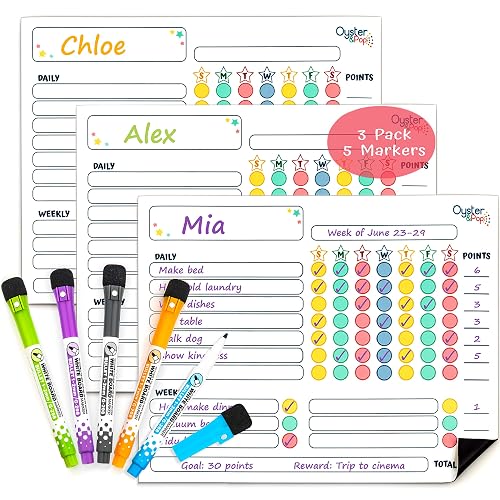
| 8–10 | Written checklist, weekly grid | Dry-erase marker or check box |
| 11+ | Weekly planner or app-style list | Self-check with a parent review |
Set Expectations and Rewards by Age
Younger children respond well to immediate praise and simple rewards, such as a sticker after each completed task. Older kids often do better with a weekly tally tied to privileges or allowance. If you plan to link chores to money, Chore Chart and Allowance Ideas: 7 Systems Busy Families Can Set Up This Week covers several setups.
A Simple Setup Checklist
- List every household task and sort it by the age it fits.
- Assign three to five tasks per child, with at least one daily and one weekly job.
- Pick a chart format based on each child’s reading level.
- Post the chart at the child’s eye level, in a spot they pass every day.
- Review progress once a week and swap tasks as skills grow.
Common Mistakes to Avoid
- Giving a young child a task that requires reading when the chart has no pictures.
- Assigning too many chores at once, which leads to giving up after a few days.
- Changing the rules every week instead of letting a routine settle for at least two weeks.
- Doing the task again after the child finishes, which signals the work was optional.
- Skipping the review. A short weekly check helps you raise the difficulty before boredom sets in.
Recommended Gear
- Dry-erase board: Easy to update when tasks change as kids get older. View on Amazon
- Magnetic task cards: Let kids move cards from “to do” to “done” without a marker. View on Amazon
- Velcro picture icons: A good match for pre-readers who need visual cues. View on Amazon
FAQ
What age should kids start using a chore chart?
Many families start between ages 2 and 3 with picture-based tasks like putting away toys. The key is keeping the chart simple enough that the child can follow it without much help. If you want more background, see Cricut Chore Chart Ideas: 6 Easy Designs Busy Families Can Make.
How many chores should each age have?
A common approach is three to five tasks per child, with a mix of daily and weekly jobs. Adjust the number based on your child’s schedule and energy level.
What if my child refuses to do the chores on the chart?
Start by checking that the task fits their skill level, then review the reward system. If problems continue, a conversation with your child’s pediatrician or a family counselor can help identify underlying issues. We also found Family Chore Chart Pinterest: A Step-by-Step Setup for Busy Families useful on this point.
Conclusion
Chore chart ideas by age are most effective when tasks, formats and rewards all match a child’s stage of development. Start small, review weekly, and adjust as your kids grow. A chart that fits the child will keep running long after the first week.
Related reading
Ready to choose one?
About Emily Parker
Emily Parker is part of our editorial team and reviews and edits our busy-mom life guides, checking product details against manufacturer specifications and owner feedback.