By Emily Parker
Updated November 2026
Chore chart ideas Pinterest boards are full of beautiful designs, but the best one is the chart your kids will actually check. This guide walks you through choosing a style, building it in an afternoon, and setting up a routine that holds up past the first week. You will end up with a chart that matches your family’s age mix, your wall space, and how much time you have to maintain it.
Start by Picking the Right Chart Style
Most chore chart ideas Pinterest users share fall into three types: magnetic boards, chore cards on a pocket chart, and printable grids. Each one suits a different household. Magnetic boards work well for kids who like to move things, while printed grids suit families who want a clean, one-time setup. Pocket charts are a good middle ground because you can swap cards as chores change.
Shopping for one? See our guide: 7 Best Chore Charts for Husband Ideas That Actually Get Done (2026). For another angle, check out Free Preschool Homeschool Schedule Ideas: 7 Best Visual Charts for Home Routines.
Seven Pinterest-Style Chore Chart Setups
- Magnetic daily board: One column per child, with magnets they move from “to do” to “done.”
- Pocket chart with chore cards: Laminated cards slide in and out, so you can rotate jobs weekly.
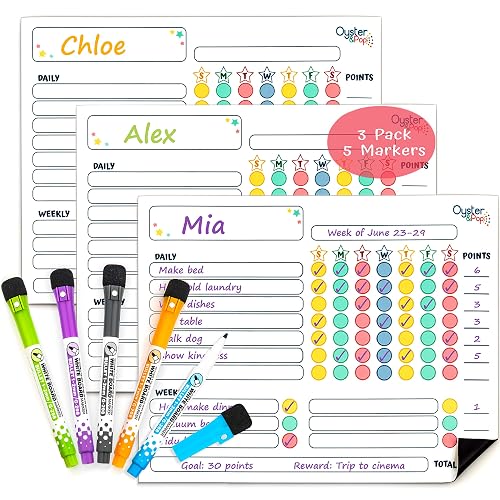
- Weekly grid on foam board: Rows are chores, columns are days. Kids check off boxes with dry erase markers.
- Picture-based chart: Photos or icons for pre-readers, paired with a few written words.
- Rotating job wheel: A circle with chores on wedges. A spinner or arrow moves each week.
- Jar or envelope system: Chore slips go in a jar, and each child draws their tasks for the day.
- Family command board: Chores, calendar, and meal plan share one wall, which helps adults stay in the loop too.
Build Your Chart in Five Steps
- List every recurring chore, then sort them into daily, weekly, and as-needed.
- Assign each chore an age-appropriate level. Make a few “starter” jobs for younger kids, like putting shoes in a basket.
- Choose your base: a corkboard, dry erase board, or printed sheet in a sheet protector.
- Create labels for each child. Use their name and a color or symbol they pick.
- Test the chart for one week, then adjust any chore that takes too long or gets skipped.
Chore Chart Ideas Pinterest Families Can Adapt for Each Age
Young children need pictures and fewer tasks. Older kids can handle written lists and a longer rotation. If you have a teen, a Chore Chart Ideas for Teens: 8 Setups Teens Will Actually Follow approach with more independent jobs often works better than a daily checklist. For younger siblings, Images for Chore Chart: 7 Picture Ideas Kids Can Read on Their Own is a helpful starting point.
Match the Chart to Your Schedule
A daily chart needs a quick daily reset, while a weekly grid can be updated on Sunday. If your household runs on a weekly rhythm, Weekly Chore Chart Ideas: 8 Setups Busy Families Can Build This Week shows layouts built around that cycle.
Common Mistakes to Avoid
- Listing too many chores at once. Start with three to five per child.
- Skipping a reward or check-in system. Kids often need a reason to keep checking boxes.
- Using a chart that is hard to reach. Hang it at a height your kids can see and touch.
- Changing the rules every week. Keep the routine steady for at least a month.
- Forgetting to rotate jobs, which can lead to boredom or resentment.
Recommended Gear
- Dry erase board with a magnetic frame: Makes it easy to write weekly grids and erase them without fuss. View on Amazon
- Laminating pouches and a sheet protector set: Protects printed charts and chore cards from spills and wear. View on Amazon
- Magnetic chore tokens: Lets younger kids move tasks from “to do” to “done” on a metal surface. View on Amazon
FAQ
How many chores should a child have on a chart?
Most young children do well with three to five daily tasks. Older kids can take on more, but keep the list focused so it does not feel overwhelming.
What is the best material for a chore chart?
Dry erase boards and laminated cards are both practical because you can change them easily. Choose whichever fits your wall space and how often you plan to update the chart.
Should chores be linked to allowance?
That depends on your family’s values. Some parents tie chores to pay, while others keep them as a basic household responsibility. Choose one approach and explain it clearly to your kids.
Conclusion
The best chore chart ideas Pinterest offers are the ones you can build and maintain in your own home. Pick a style that fits your kids’ ages, set up a simple routine, and review it after a week. Small adjustments usually make the biggest difference.
Ready to choose one?
About Emily Parker
Emily Parker is part of our editorial team and reviews and edits our busy-mom life guides, checking product details against manufacturer specifications and owner feedback.