As an Amazon Associate I earn from qualifying purchases. This page may contain affiliate links.
A family support organization in NJ can connect you with parenting help, respite care, food assistance, counseling referrals and other services that make daily life easier. This guide walks you through how to identify the right organization for your needs, what to ask before you enroll, and how to keep track of the help you receive. By the end, you will have a short list of options and a simple plan for reaching out.
Know What Kind of Support You Need
Family support organizations cover a wide range of services, and few families need all of them at once. Start by naming the problem you want to solve. Busy moms often find that the need falls into one of a few categories.
- Parenting and child development: home visits, parent education classes, or coaching for a child with behavioral or developmental concerns.
- Basic needs: food pantries, diapers, school supplies, winter clothing, or utility assistance referrals.
- Caregiver relief: respite care, after-school programs, or short-term childcare during a crisis.
- Mental health and family counseling: individual or family therapy, support groups, or crisis lines.
- Special needs support: service coordination, advocacy with schools, and help navigating state programs.
Write down the top two needs and the age range of your children. Many programs serve only certain ages, such as infants through age three, or teens and young adults. That single detail can cut your search in half.
Step-by-Step: Finding a Family Support Organization in NJ
New Jersey has a mix of county-based agencies, nonprofits, faith-based groups and state-funded programs. A structured search keeps you from calling ten offices to hear the same answer.
Step 1: Start With Your County
Most family services in New Jersey are organized by county. Search for your county name followed by “family services” or “family support.” Your county human services or social services office is a reliable starting point and can direct you to local providers. If you are looking in a specific area, you can also review regional listings such as Family Support Organization Burlington County NJ: 9 Best Options Compared, which shows how to compare providers side by side.
Step 2: Check Statewide Resources
Statewide hotlines and 211 information lines can connect you with local organizations across New Jersey. Call or search online and describe your situation in plain language. Ask whether the referral service can confirm current availability, since waitlists change often.
Step 3: Confirm Eligibility Before You Apply
Many programs use income guidelines, residency requirements or child age limits. Before you fill out a long application, ask these questions:
- Do I need to live in a specific county or town?
- What is the income limit, and what documents will you need (pay stubs, tax returns, benefit letters)?
- Is there an age range for children or parents?
- Is there a waitlist, and how long is it currently?
- Are there any fees, and what is covered at no cost?
Having your documents ready, such as proof of address, birth certificates and income records, can speed up the intake process considerably.
Step 4: Compare Your Options
Use a simple table to compare two or three programs. Fill in the details from each phone call or website so you can see the differences at a glance.
| Factor | Program A | Program B | Program C |
|---|---|---|---|
| Services offered | |||
| Age range served | |||
| Eligibility rules | |||
| Waitlist length | |||
| Hours and location | |||
| Transportation or childcare offered | |||
| Language support |
Filling this out takes about 15 minutes and makes the final decision far easier, especially if you are juggling work and school pickups.
Step 5: Ask About the Intake Process
Some organizations start with a phone screening, then schedule an in-person or video intake. Others offer walk-in hours. Ask how long the first appointment takes and whether a caseworker will be assigned to your family. A named contact makes follow-up much simpler.
Step 6: Track Everything in One Place
Once you enroll, keep a single record of your case number, caseworker name, appointment dates and any paperwork you submitted. A shared family calendar or a printed folder works well. If you already use a planner, you can add follow-up dates to it, as described in Using a Family Planner to Keep Track of It All.
Checklist: What to Gather Before You Call
- Names and birthdates of all children in the household
- Proof of New Jersey residence (utility bill, lease, or benefit letter)
- Recent income documents (pay stubs or benefit statements)
- Any existing case numbers from other agencies
- A list of your top two or three needs, in order of urgency
- A notebook or digital note for call details and names
Tips for Making the Most of Family Support Services
Once you connect with an organization, a few habits will help you get more out of the relationship. Small planning steps matter when your schedule is already full. Many families also find that pairing outside support with a solid home routine reduces stress. For example, Home Management for Busy Families: Cleaning, Laundry, Meals covers simple systems that free up time for appointments and family needs.
- Ask for appointment times that fit around school and work. Many agencies offer early morning, evening or virtual options.
- Bring a support person or take notes if the meeting covers a lot of information.
- Ask your caseworker to explain each service in writing so you can review it later.
- Keep copies of everything you submit, and confirm receipt of any forms.
- Check back on waitlisted services every few weeks, and ask whether you can join a backup list.
Common Mistakes to Avoid
- Applying to only one program. Waitlists and eligibility rules vary. Keep two or three applications active when possible.
- Assuming you do not qualify. Many families are surprised by what they can receive. Ask before ruling yourself out.
- Missing follow-up calls or forms. A missed deadline can close your file. Set reminders the moment you get a date.
- Sharing incomplete information. Accurate income and household details prevent delays and denials later.
- Waiting until a crisis. Reaching out early, before the situation becomes urgent, often leads to more options.
Recommended Gear
Staying organized makes it much easier to manage appointments, paperwork and follow-up calls. These items are useful for keeping everything in one place.
- Expanding file folder with labeled tabs: A simple way to separate applications, receipts, case notes and medical records by category. View on Amazon
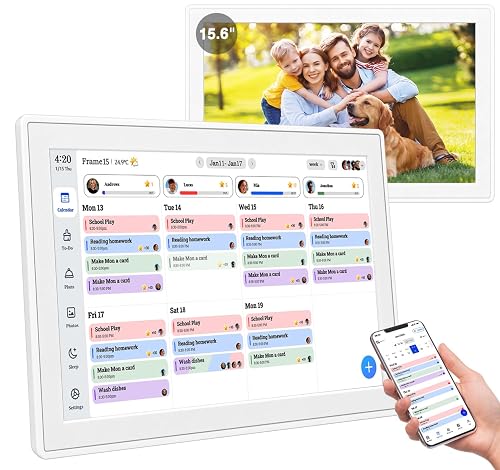
- Family wall calendar, large format: Lets everyone see appointment dates and school events at a glance. View on Amazon
- Clear document sleeves: Protect birth certificates, benefit letters and other originals while keeping them easy to find. View on Amazon
- Desktop scanner with document feeder: Makes it quick to create digital copies of forms before you mail or upload them. View on Amazon
FAQ
What is a family support organization in NJ?
It is an agency or nonprofit that offers services to help families with parenting, childcare, basic needs, mental health or special needs. Services may be funded by the state, a county, or private donors.
Do I have to pay for family support services?
Many services are free or sliding-scale based on income. Confirm costs during your first call, since some programs charge fees for certain classes or therapy sessions.
How do I find services in my county?
Contact your county human or social services office, or call 211 to be connected with local providers. Searching for your county name with “family services” also brings up local listings.
What documents will I need to apply?
Requirements vary, but most programs ask for proof of New Jersey residence, identification, household information and income records. Ask for a complete checklist before you start.
How long does it take to get approved?
Timelines depend on the program and current demand. Some services begin within days, while others involve waitlists of several weeks or longer. Ask for an estimate during intake.
Can I apply for more than one program at once?
Yes, in most cases. Applying to more than one organization can speed up access to help, though you should notify each program if you are accepted elsewhere.
What if I do not qualify for a program?
Ask the organization for referrals. Many agencies maintain networks and can point you to other programs with different eligibility rules.
Should I talk to a professional before applying?
If your situation involves a child’s safety, serious mental health concerns or legal questions, consult a qualified professional such as a pediatrician, licensed counselor or attorney alongside the support organization.
Conclusion
Finding a family support organization in NJ becomes manageable when you narrow your needs, check eligibility early and compare a few options side by side. Gather your documents before you call, track every step, and follow up on waitlists. Each small organizing habit brings you closer to the help your family needs.