As an Amazon Associate I earn from qualifying purchases. This page may contain affiliate links.
A good chore chart for 5 year olds turns vague requests like “clean your room” into clear, visual tasks a young child can finish on their own. In this guide, you’ll pick age-appropriate jobs, build a simple picture-based chart, set up a reward system that doesn’t rely on constant nagging, and fix the problems that usually make charts fall apart after two weeks. Most of the setup takes about an hour.
Why a Chore Chart Works at Age 5
Five-year-olds are eager to help and proud of finishing something. They also can’t yet hold a long list in their heads or read much, so a chart does the remembering for both of you. Seeing a finished row of stickers gives them a concrete sense of progress that a verbal reminder never does. A chart also shifts the conversation. Instead of you repeating instructions, you point at the board and ask, “What’s left?”
Shopping for one? See our guide: Dry Erase Board Chore Chart: 8 Best Picks for Busy Families (2026).
Keep expectations realistic. A 5-year-old will do most tasks with a reminder, will need help with some, and will sometimes do a job so differently that you’ll want to redo it. That’s normal. The goal is a habit, not a perfect house.
Step 1: Choose Age-Appropriate Chores
Pick three to five tasks per day, split between self-care and household jobs. Too many items and the chart feels like a punishment. Too few and it doesn’t build much.
Good tasks for this age include:
- Putting dirty clothes in the hamper
- Making the bed, even if it’s just pulling up the blanket
- Putting toys back in one bin at the end of play
- Wiping the table after snacks or meals
- Feeding a pet with a measured scoop
- Carrying a light load of laundry or grocery bags
- Matching socks from a clean basket
- Setting out napkins or forks at dinner
Avoid tasks that need sharp tools, heavy lifting, stove access or chemicals. If a job needs a step stool, make sure it’s sturdy and that your child uses it with supervision.
For more ideas on splitting work across family members, see Sharing Chores as a Family: Age-Appropriate Tasks.
Step 2: Pick a Visual Format
Five-year-olds respond to pictures far more than words. Choose a format that lets them see tasks and check them off.
Picture-Based Options
- Magnet board: Each task gets a small photo card, and your child moves it to a “done” column. A magnetic board with a grid works well for this. See Melissa & Doug Magnetic Chore Chart Review (2026) for one option.
- Dry erase board: Draw simple icons and let your child tick them off with a marker. Easy to change when routines shift. Browse Dry Erase Chore Chart Picks: 7 Best Options for Busy Families (2026) for sizing ideas.
- Printed template: A simple grid with pictures and checkboxes, laminated or slipped into a sheet protector. See Template for Chore Chart: 7 Steps to a Printable Layout Kids Can Use for a layout you can copy.
Whatever you pick, keep it in a spot your child reaches easily, like the hallway or kitchen, and not a high closet shelf.
Step 3: Make Each Task a Picture Card
Take a photo of your child doing each task, or draw a simple icon. A toothbrush for brushing teeth, a bed for making the bed, a hamper for laundry. Label each card with one or two words in large print so you can use the same chart as your child learns to read. Keep the wording identical every time, so “clean up toys” doesn’t become “put toys away” one week and “pick up the room” the next.
Step 4: Set a Schedule and Routine
Attach chores to moments that already happen, which is the simplest way to build a habit. Morning chores go after breakfast and before shoes. After-dinner chores happen right after the plates come off the table. Bedtime chores happen before pajamas.
| Time | Task | Who checks |
|---|---|---|
| Morning, after breakfast | Make bed, put pajamas in hamper | Parent (quick glance) |
| After school | Hang up backpack, put shoes in cubby | Child, then parent |
| After dinner | Clear own plate, wipe table | Child with a reminder |
| Bedtime | Toys in bin, pajamas on | Parent |
Keep the number of check-ins low. You don’t need to inspect every item. A quick “show me” is enough at this age.
Step 5: Build a Reward System That Fits
Rewards don’t need to be expensive. What matters is that the reward is predictable and reachable within a few days.
Star or Sticker Tracking
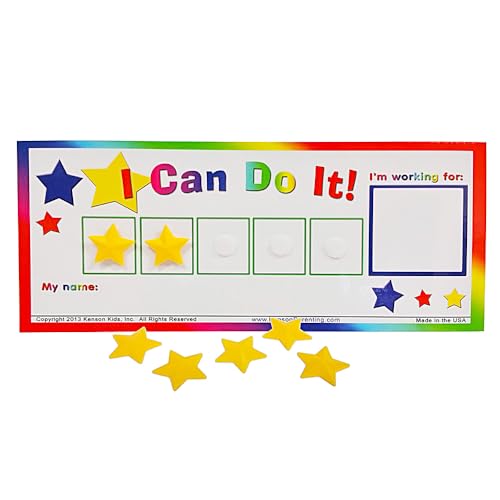
Give one sticker or star for each finished task. When your child reaches a set number, such as 10 stars, they choose a small reward: a extra story at bedtime, a picked dinner side, time with a favorite game, or a walk to the park. Keep the target small enough that a 5-year-old can see the finish line.
Choosing Rewards
- Pick activities over objects when you can. Time together tends to hold attention longer.
- Let your child choose from a short menu you’ve approved.
- Avoid taking away items or screen time as a chore penalty. It tends to create resistance.
Many families use a reward system for a few weeks, then phase it out as the habit sticks. Praise the effort out loud (“You remembered your cup all by yourself”) even after the stickers stop.
Step 6: Walk Through Each Task Together the First Week
Don’t expect a 5-year-old to figure out what “clean the table” means on their own. Do the first few rounds alongside them. Show the exact motion: wipe in one direction, rinse the cloth, wring it out. Narrate briefly, then step back. By the end of the first week, most children can do simple jobs with a glance at the chart and a short reminder.
Step 7: Review and Adjust Every Two Weeks
Set a short check-in every two weeks. Ask your child which chore feels easy and which feels hard. Swap out anything that’s no longer challenging and add one new task if they’re ready. This keeps the chart fresh and keeps your child growing.
Common Mistakes
- Too many tasks at once. Start with three. Add more only when the first three happen mostly without reminders.
- Vague wording. “Help out” means nothing to a 5-year-old. Name the exact action.
- Redoing their work without comment. If a job isn’t perfect, point to the specific part to fix and let them try again, rather than quietly finishing it.
- Dropping the chart after one bad week. Consistency matters more than perfection. Pick it back up the next morning.
- Tying chores to basic needs. Meals, bedtime stories and clean clothes should never depend on chore completion.
Tips for Busy Parents
- Set up the chart on a weekend, then spend five minutes a day on it.
- Keep a dry erase marker or sticker sheet next to the chart so it’s easy to use.
- Use the same chore list for a full week before changing anything.
- Give a specific compliment at the end of the day, not a general “good job.”
- If your child refuses, give one calm reminder and move on. A short, consistent response works better than a debate.
Recommended gear
Pick one or two of these to get started. A simple dry erase board or magnetic board is all most families need.
- Melissa & Doug Magnetic Chore Chart: A ready-made magnetic board with task cards that’s easy for a young child to move from “to do” to “done.” View on Amazon
- Dry erase chore board with grid: A reusable surface that lets you change tasks as your child grows, with room for simple drawings. View on Amazon
- Chore chart sticker set: Reward stickers in bright colors make tracking feel like a game for young children. View on Amazon
FAQ
How many chores should a 5-year-old have?
Three to five tasks per day is a good range. Start with three and add one at a time as your child builds the habit.
Should a 5-year-old get paid for chores?
Many families prefer to keep chores as a family responsibility and use small non-money rewards instead. If you do pay an allowance, keep it separate from basic household jobs so the message stays clear.
What if my child refuses to do their chores?
Give one calm reminder, then give them a few minutes. If they still refuse, let them know the task is still there and move on. Consistency over several days usually works better than arguing in the moment.
Do chore charts work for children who can’t read yet?
Yes. Picture cards and icons are designed for pre-readers. Add words later as your child learns to read.
How long should I use a reward system?
Many families use stickers or star charts for four to six weeks, then shift to verbal praise as the habit becomes automatic. Adjust based on how your child responds.
How do I handle chores that are done poorly?
Point to the specific part that needs work and show them how to fix it. Let them redo it themselves. A brief, specific correction teaches more than doing it for them.
Can siblings share one chore chart?
Yes, but give each child their own column or color. This makes it easy to see who finished what and avoids comparisons between siblings of different ages.
Conclusion
A chore chart for 5 year olds works best when it’s simple, visual and tied to daily routines. Choose three to five age-appropriate tasks, build a picture-based chart, and add a small reward that your child can reach within a few days. Review the list every two weeks, and keep your expectations realistic. Within a month, most children can handle their routine with just a glance at the board.