By Emily Parker
Updated November 2026
Printable chore charts are one of the fastest ways to get kids and adults pulling their weight without daily reminders. In this guide, you will learn how to choose from chore chart ideas printable options, match the layout to your household’s ages and routines, and set up a chart that stays on the fridge past the first week. Expect a step-by-step process, a checklist of supplies, and a few mistakes to avoid.
Step 1: Decide Who the Chart Is For
Before you open a template, decide who will check it every day. A chart for a six-year-old looks very different from one for a fourteen-year-old or a household of adults sharing the dishes and laundry. Younger kids need pictures, large checkboxes, and only two or three tasks. Older kids can handle written lists, time windows, and a weekly total.
Shopping for one? See our guide: Free Printable Chore Chart with Money: 5 Best Options for Busy Families.
- Ages 3–5: Picture-based cards, one or two tasks per day, big velcro or sticker spots.
- Ages 6–9: Simple grids with checkboxes, three to five tasks per day, a weekend bonus row.
- Ages 10–13: Weekly grids with point or dollar columns and a clear “done by” time.
- Teens and adults: Weekly task lists with rotating assignments and a notes space for swaps.
If you want a teen-focused layout to start from, see Printable Chore Chart for Teenagers: 6 Best Picks for Busy Families (2026), which covers the features older kids tend to respond to.
Step 2: Choose the Chart Style
Most chore chart ideas printable fall into four broad styles. Each one suits a different kind of household routine.
| Style | Best for | How it works |
|---|---|---|
| Daily checklist | Ages 5–9, morning and bedtime routines | Same tasks each day, checkbox per task |
| Weekly grid | Ages 8+, mixed household | Tasks down the side, days across the top |
| Rotating roster | Families with shared jobs | Chore names move to a new person each week |
| Points or reward tracker | Kids who respond to goals | Each completed task earns a set number of points or stars |
For a free starting point with a weekly grid, look at Weekly Chore Chart Printable: A Step-by-Step Setup for Busy Families. If your household has younger children who need visuals, Printable Children's Chore Chart: 7 Steps to a Layout Kids Will Use walks through picture-based designs.
Step 3: List Every Task Before You Design Anything
Write down everything that needs doing in a typical week, including the tasks nobody thinks about, such as taking out recycling, feeding pets, or wiping the bathroom sink. Then sort them into three groups: daily, weekly, and occasional. Daily tasks belong on the main chart. Weekly and occasional tasks can go on a second page or a rotating card.
- Walk through one full day and note every job, from breakfast cleanup to bedtime.
- Add weekly jobs such as vacuuming, laundry sorting, or cleaning the car.
- Cross out anything you can drop or move to a different person.
- Estimate how long each task takes. Keep daily totals under 30 minutes for young kids and under 60 for older ones.
Step 4: Build a Printable Layout You Can Actually Read
A good printable chore chart is readable from across the room. Use large fonts (at least 18 points for headings and 14 points for task names), high contrast, and clear borders. Leave enough space for kids to check a box with a pen or sticker.
Sub-step: Set Up the Columns and Rows
For a weekly grid, put tasks in rows and days in columns. Add a final column for “weekly total” or “reward earned” if you use a points system. For a daily checklist, use one column per task and one row per day of the week.
Sub-step: Add Visual Cues
Pair each task with a simple icon, such as a toothbrush for brushing teeth or a bed for making it. This helps early readers and reduces the “I didn’t know that was my job” excuse for everyone.
Sub-step: Print and Laminate
Print in black and white if you plan to write on the chart with dry-erase markers, or in color if you use stickers. Laminate the sheet or slide it into a sheet protector so it survives daily use.
Step 5: Set Clear Expectations and a Check-In Time
A chart only works if everyone knows when tasks are due and what “done” looks like. Post the chart in a shared spot, such as the kitchen or near the front door, and walk through it together the first time.
- Set a fixed time for daily chores, such as before breakfast or before screen time.
- Define “done” for each task. For example, “bed made” means sheets pulled up and pillow placed, not a quick tug at the blanket.
- Choose one weekly check-in, usually Sunday evening, to review progress and handle missed items.
Step 6: Connect Tasks to Rewards or Consequences
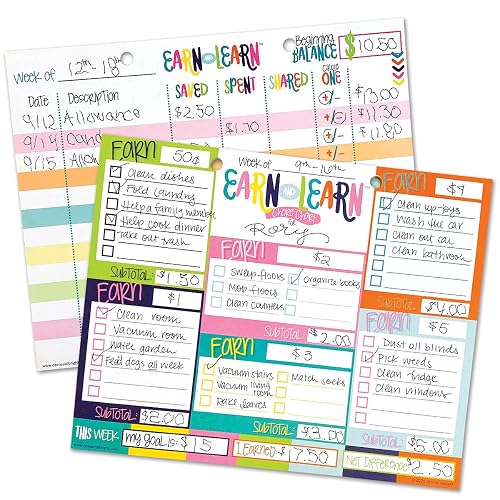
Rewards are optional, but many families find that a simple reward makes the chart stick. You can offer extra screen time, a small privilege, or a points system tied to a bigger goal. If money is part of your plan, a printable chart with a dollar value per task can help kids see the connection. For ideas that have worked for other families, read Ideas for Chore Chart Rewards: 12 Options Kids Actually Want.
Keep consequences simple and predictable. Missed tasks might mean losing a bonus point or doing the chore before anything fun happens. Avoid taking away basic needs like meals.
Step 7: Review and Adjust Every Two to Four Weeks
Ages, schedules, and abilities change. After two to four weeks, check what is working. If a task never gets done, it may be too big, too vague, or assigned to the wrong person. Split large tasks into smaller steps, swap roles, or drop jobs that no longer matter. Reprint the chart when you make changes so everyone sees the current version.
Checklist: What You Need to Get Started
- A printer and paper, or a template you can edit on your computer
- Laminator or sheet protectors
- Dry-erase markers or stickers, depending on your style
- A magnet, tape, or hook for hanging the chart in a visible spot
- A notebook or second page for weekly and occasional tasks
Common Mistakes to Avoid
- Too many tasks on day one. Start with three to five jobs per person and add more after two weeks.
- Vague task names. “Clean up” means different things to different people. Name the exact action.
- Forgetting adults. A chart that only lists kids’ jobs can feel unfair. Include shared adult tasks too.
- No check-in. Without a set review time, the chart fades within a week.
- Hanging it too high. Place the chart at eye level for the youngest user so it gets used.
Tips for Busy Families
- Create two or three templates and rotate them seasonally. For summer routines, see Summer Chore Chart Printable: 7 Steps to a Summer Routine Kids Will Follow.
- Use a morning and evening split if your family runs on two distinct routines. Morning and Evening Chore Chart Printable: A Step-by-Step Setup explains how.
- Keep a blank master copy so you can reprint quickly after edits.
- Pair the chart with a weekly meal plan so cooking and cleanup tasks line up.
Recommended gear
Most of what you need is already in your home, but a few supplies make a printable chart last longer and easier to update.
- Laminating sheets: Protect the printed chart from spills and daily marker wear, letting you reuse it for months. View on Amazon
- Dry-erase markers: Fine-tip markers let kids check off tasks without damaging the laminate. View on Amazon
- Magnetic chart holder: A magnetic frame keeps the chart at eye level on the fridge and makes swapping pages quick. View on Amazon
- Reusable star stickers: For younger kids, stickers give an immediate visual reward for each finished task. View on Amazon
FAQ
What age should kids start using a chore chart?
Most children can start with one or two simple picture-based tasks around age three. Written charts usually work better from about age six, once kids read well enough to follow a list.
How many chores should a child have on a chart?
Start with three to five daily tasks for younger children and add weekly jobs as they get older. Keep the total daily time under about 30 minutes for ages 5–9 and under an hour for older kids.
Should I use a printable chart or a digital app?
Printable charts are simple, visible, and free to start with, which suits many families. Digital apps can help if you want automatic reminders or reporting, but a paper chart is often easier for younger children to understand.
What if my child refuses to do the chores on the chart?
Review the task size first, since large or vague jobs are often the problem. Then use a consistent consequence, such as completing the chore before screen time, and keep the tone calm and predictable.
How often should I change the chart?
Review it every two to four weeks and update it when ages, schedules, or abilities change. Seasonal changes, such as school versus summer break, are also a good time to reprint.
Can adults use printable chore charts too?
Yes. A weekly task list with rotating assignments works well for shared households. Include adult tasks like meal prep, bills, and errands so the load feels balanced.
What is the best way to keep a printable chart from getting damaged?
Laminate it or slide it into a sheet protector and use dry-erase markers or stickers rather than pencil or ink. Keep a blank master copy so you can reprint when the laminate wears out.
Conclusion
A printable chore chart works best when it matches your family’s ages, routines, and expectations. Start small with a few clear tasks, set a regular check-in, and adjust as you learn what sticks. With a simple layout and a consistent review, your chart can become a dependable part of daily life.
Related reading
Ready to choose one?
About Emily Parker
Emily Parker is part of our editorial team and reviews and edits our busy-mom life guides, checking product details against manufacturer specifications and owner feedback.