By Emily Parker
Updated November 2026
A chore chart with stickers turns daily tasks into a visible, satisfying routine. In this guide, you will build a simple chart, choose a sticker system that fits your kids’ ages, and set up rewards that keep them motivated past the first week. Plan on about 30 minutes for the initial setup.
Step 1: Pick Your Chore List and Chart Format
Start with five to eight recurring tasks per child. Fewer than five feels like nothing; more than eight overwhelms young kids. Good starter chores include making the bed, putting away clean dishes, feeding the pet, and tidying the bedroom floor.
Shopping for one? See our guide: 7 Best Dry Erase Board Chore Charts for Busy Families (2026).
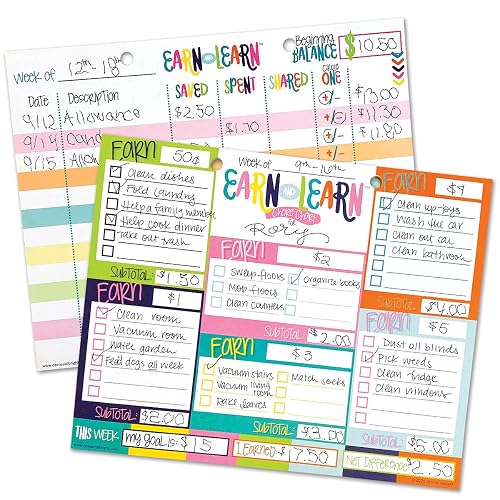
Next, choose a format. A grid works best for school-age kids: chores run down the left side, days run across the top, and each square is a box for a sticker. Preschoolers do better with picture-based charts, where each chore has a small drawing next to it.
If you want a ready-made layout, the Simple Chore Chart Template: 7 Steps to a Setup Your Family Will Use walks through a clean grid you can print in minutes.
Step 2: Choose Stickers Your Kids Will Care About
Stickers for chore chart use only work if kids want them. Let each child pick their own sticker pack, or use a mix of two categories: one for everyday completion (stars, smiley faces) and one for bigger milestones (animals, superheroes, planets). Keep the everyday stickers easy to grab so you are not hunting for a specific design every morning.
Consider a few practical details:
- Use a dedicated sticker bin or envelope so the supply stays in one place.
- Match sticker size to the boxes. Oversized stickers crowd the grid and tiny ones are hard for small hands to peel.
- Buy a few duplicates of favorites so a lost sheet does not stall progress.
Step 3: Set Clear Rules for Earning Stickers
Each chore should have a single, observable standard. “Clean your room” is vague. “Clothes in the hamper, bed made, floor clear of toys” is something a child and a parent can both check in under a minute.
Decide when stickers are placed. Many families use a rule like this: one sticker for a chore done on the first ask, and a parent-verified check before the sticker goes on. Post the rules next to the chart so there are no debates later.
Step 4: Connect Stickers to Rewards
Stickers are most effective when they add up to something. Set a target such as 20 stickers for a small reward, or 50 for a bigger one. Rewards can be screen time, a special outing, or a chosen dinner. Keep rewards tied to effort and avoid buying toys for every milestone, which can quickly become expensive and lose meaning.
| Child Age | Suggested Chore Count | Sticker Target for Reward |
|---|---|---|
| 3 to 5 years | 3 to 4 chores | 10 stickers |
| 6 to 9 years | 5 to 6 chores | 20 stickers |
| 10 to 13 years | 6 to 8 chores | 30 stickers |
Recommended Gear
- Dry-erase or magnetic chart board: A sturdy surface lets you reuse the layout week after week. Search for a Melissa and Doug Magnetic Responsibility Chart. View on Amazon
- Reusable sticker sheets: Repositionable stickers let kids move a sticker if they change a chore. Search for Eureka Reusable Sticker Books. View on Amazon
- Clear pocket sheet protectors: These keep a printed chart clean and let you swap the rows as chores change. View on Amazon
Common Mistakes to Avoid
- Adding too many chores at once. Start small and add one task a week.
- Letting stickers go on without checking the work, which teaches kids to rush.
- Changing the reward target mid-week. Kids notice and lose trust in the system.
- Forgetting to refresh the chart. A new layout every few months keeps interest up.
- Using stickers as a punishment tool. Simply leave the box empty instead.
Chore Chart with Stickers: FAQ
How long should I keep the same chore chart?
Most families keep a layout for four to six weeks before refreshing chores or sticker designs. Consistency matters more than variety during the first month.
What if my child stops using the chart?
Check whether the chores are too hard or the reward feels out of reach. Shrink the target or add a small bonus sticker for a full week of completion.
Can I use stickers for adult chores?
Yes. Many adults in shared homes use a weekly grid with checkmarks or colored dots instead of cartoon stickers. The same principles of clear standards and visible progress apply.
Conclusion
A chore chart with stickers works when the tasks are clear, the stickers are easy to grab, and the rewards feel worth the effort. Start with a few chores, verify each one before the sticker goes on, and refresh the setup regularly. For more ideas, browse the Weekly Chore Chart Ideas: 8 Setups Busy Families Can Build This Week for fresh layouts.
Related reading
- Sticker Chore Chart Printable: 7 Steps to a Setup Kids Will Use
- Work for Hire Chore Chart: A Step-by-Step Setup for Busy Families
- Work for Hire Chore Chart Printable: A Step-by-Step Setup for Busy Families
Ready to choose one?
About Emily Parker
Emily Parker is part of our editorial team and reviews and edits our busy-mom life guides, checking product details against manufacturer specifications and owner feedback.