 By Emily Parker
Updated November 2026
Parents searching for the best kids lunch ideas for healthy eating usually want the same thing: lunches that are nutritious, easy to pack on a rushed morning, and actually eaten instead of coming home untouched. The books below were selected by comparing their stated scope, recipe count, nutrition focus, age range and the feedback owners commonly share. Each one covers a different need, from fast weeknight packing to larger batch planning and science-based nutrition for curious kids.
Our top picks at a glance
- 1
 TOP CHOICEBest overallFeeding Littles Lunches: 75+ No-Stress Lunches Everyone Will LoveView on Amazon
- 2
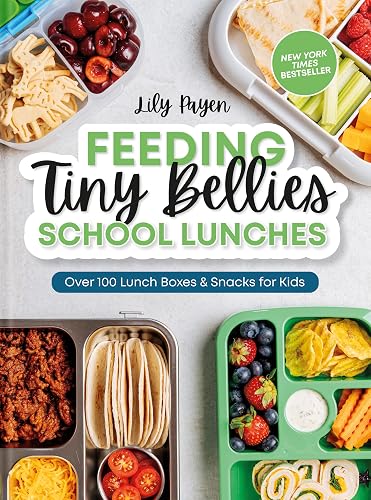 TOP CHOICEBest for school-age varietyFeeding Tiny Bellies: School LunchesView on Amazon
- 3
 TOP CHOICEBest for bento-style presentationThe Little Lunchbox Chef | Easy School Lunch Recipes, Fun Snacks, BentView on Amazon
- 4
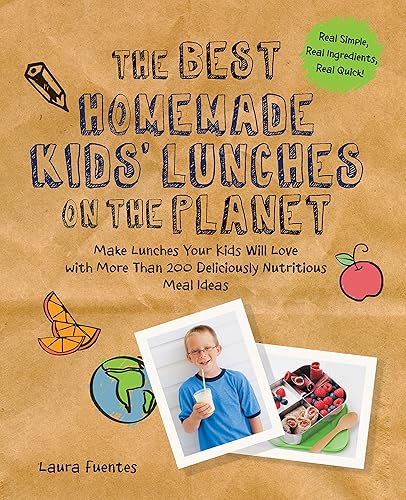 Best for large recipe collectionsThe Best Homemade Kids' Lunches on the PlanetView on Amazon
- 5
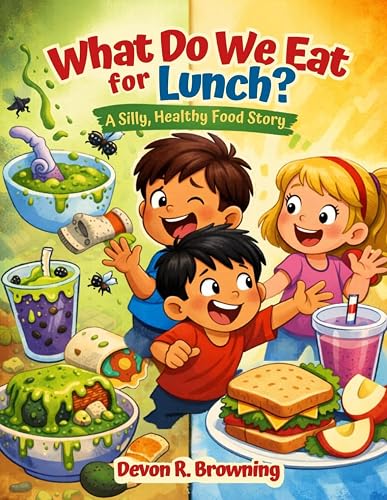 Best for reading-together familiesWhat Do We Eat for Lunch? A Silly, Healthy Food Story for KidsView on Amazon
- 6
 Best for teaching nutrition basicsGood Enough to Eat: A Kid's Guide to Food and NutritionView on Amazon
Our Top Picks
Quick Comparison
| Product | Best for | Key feature |
|---|---|---|
| Feeding Littles Lunches | Overall meal planning | 75+ lunch ideas with a stress-light approach |
| Feeding Tiny Bellies: School Lunches | School-age variety | Over 100 lunch box and snack ideas |
| The Little Lunchbox Chef | Bento-style presentation | 32 healthy lunchbox ideas for ages 4–10 |
| The Best Homemade Kids’ Lunches on the Planet | Large recipe collections | More than 200 nutritious meal ideas |
| What Do We Eat for Lunch? | Reading-together families | Rhyming picture book about healthy eating |
| Good Enough to Eat | Teaching nutrition basics | Hands-on science book with kid-friendly recipes |
Feeding Littles Lunches: 75+ No-Stress Lunches Everyone Will Love
Feeding Littles Lunches: 75+ No-Stress Lunches Everyone Will Love: Meal Planning for Kids
Best for: Overall meal planning
This book suits parents of toddlers and preschoolers who want a steady rotation of lunch ideas without building every menu from scratch. Its title points to a low-pressure approach to packing, which many busy parents find helpful when a child is a picky eater.
Key specs
- Format: cookbook for lunches
- Recipe count: 75+ lunch ideas (per listing title)
- Focus: meal planning for kids
Pros
- Large number of ideas gives a built-in weekly rotation
- Framed around low-stress packing
- Useful for planning ahead on a grocery list
Cons
- Recipes may need adjusting for older school-age kids
- Less focus on bento presentation
Bottom line: A strong first pick for parents who want one dependable book for weekly lunch planning.
Feeding Tiny Bellies: School Lunches
Feeding Tiny Bellies: School Lunches: Over 100 Lunch Boxes and Snacks for Kids
Best for: School-age variety
Written for families packing lunches for school, this book offers a wide range of lunch box and snack ideas. It fits parents who want more variety across the week and who pack for children who have outgrown simple sandwich-only menus.
Key specs
- Format: lunch box and snack cookbook
- Recipe count: over 100 lunch box and snack ideas (per listing title)
- Focus: school lunches
Pros
- Broad range of ideas for a school week
- Covers snacks as well as main lunch items
- Good for rotating menus over several weeks
Cons
- Less guidance for children under school age
- Some ideas may take longer than a quick morning allows
Bottom line: Best for parents packing lunches five days a week who want more variety than a few standby meals.
The Little Lunchbox Chef | Easy School Lunch Recipes, Fun Snacks, Bento Box Ideas & Healthy Meals for Children Ages 4–10
The Little Lunchbox Chef | Easy School Lunch Recipes, Fun Snacks, Bento Box Ideas & Healthy Meals for Children Ages 4–10: 32 Healthy Lunchbox Ideas Kids Actually Want to Eat
Best for: Bento-style presentation
This book is aimed at children roughly ages 4 to 10 and leans into bento-style layouts. Parents who find that a visually appealing box encourages eating will likely get the most from it.
Key specs
- Age range: children ages 4–10 (per listing title)
- Recipe count: 32 healthy lunchbox ideas (per listing title)
- Focus: bento box ideas and fun snacks
Pros
- Bento layouts can make vegetables and proteins more appealing
- Age range covers early elementary years well
- Includes snacks alongside main lunch ideas
Cons
- Fewer total ideas than the larger collections
- Bento styling can add prep time on busy mornings
Bottom line: A good choice for families of younger children who respond well to creative presentation.
The Best Homemade Kids’ Lunches on the Planet
The Best Homemade Kids' Lunches on the Planet: Make Lunches Your Kids Will Love with More Than 200 Deliciously Nutritious Meal Ideas (Best on the Planet)
Best for: Large recipe collections
For parents who like to browse and build their own combinations, this title offers a large recipe collection. It works well for families who want to bake, batch-cook or swap ingredients based on what is already in the fridge.
Key specs
- Format: homemade lunch cookbook
- Recipe count: more than 200 meal ideas (per listing title)
- Focus: nutritious homemade lunches
Pros
- Very large idea library for long-term variety
- Good for families who prefer homemade over packaged foods
- Useful for batch cooking and freezer planning
Cons
- Large volume can be overwhelming for first-time planners
- Many recipes require more time than grab-and-go options
Bottom line: Ideal for parents who cook at home regularly and want a deep reference shelf.
What Do We Eat for Lunch? A Silly, Healthy Food Story for Kids
What Do We Eat for Lunch? A Silly, Healthy Food Story for Kids: A Funny Rhyming Book That Teaches Healthy Eating Habits for Children Ages 3–8
Best for: Reading-together families
This rhyming picture book is designed for children ages 3 to 8 and is meant to be read aloud. It is less a recipe book than a way to start conversations about healthy food choices before lunchtime.
Key specs
- Format: picture book
- Age range: children ages 3–8 (per listing title)
- Focus: healthy eating habits through rhyme
Pros
- Engaging for young children who enjoy rhyme
- Opens discussion about food choices
- Easy to read during a bedtime routine
Cons
- Does not provide packing recipes or menus
- Best as a supplement to a cookbook, not a replacement
Bottom line: Pair this with a recipe book if you want both inspiration and a gentle nutrition lesson.
Good Enough to Eat: A Kid’s Guide to Food and Nutrition
Good Enough to Eat: A Kid's Guide to Food and Nutrition ― A Hands-On Science Picture Book with Healthy Recipes for Kids (Ages 4-8)
Best for: Teaching nutrition basics
This science picture book introduces food and nutrition to children ages 4 to 8 and includes healthy recipes. It suits families who want their children to understand why certain foods are included in a lunch, not just what to pack.
Key specs
- Format: hands-on science picture book
- Age range: ages 4–8 (per listing title)
- Focus: food, nutrition and simple recipes
Pros
- Explains nutrition concepts in a child-friendly way
- Includes recipes children can help prepare
- Useful for school-age science or health lessons at home
Cons
- Fewer lunch-specific menus than a dedicated lunch cookbook
- Recipes may need more involvement from a parent
Bottom line: A good pick for parents who want children to learn the reasons behind healthy choices.
Buying Guide
Choosing among lunch resources comes down to a few practical questions. The factors below will help you match a book to your child’s age, your schedule and your cooking style.
Age Range of the Child
Check the stated age range before buying. Picture books aimed at ages 3 to 8 work differently from cookbooks written for school-age children. Younger children often respond better to bento layouts and rhyme, while older children may want more substantial recipes they can help assemble.
Good picks for this: What Do We Eat for Lunch?; The Little Lunchbox Chef
Number of Recipes and Variety
A large recipe count helps prevent the same five lunches from repeating every week. If you pack five days a week, aim for at least 30 distinct ideas across a rotation, which larger collections make easier to reach.
Good picks for this: The Best Homemade Kids’ Lunches on the Planet; Feeding Tiny Bellies: School Lunches
Time Needed for Preparation
Look for books that note whether recipes are no-cook, make-ahead or batch-friendly. Lunches that can be assembled in under ten minutes are usually more realistic on school mornings. Bento-style books can add prep time, so factor that in.
Good picks for this: Feeding Littles Lunches; The Little Lunchbox Chef
Nutrition Focus
Some books center on balanced meals, while others focus on teaching children the reasons behind food choices. Decide whether you need practical menus or an educational angle, or both.
Good picks for this: Good Enough to Eat; Feeding Littles Lunches
Format and Ease of Use
Cookbooks work best when you can flip to a page quickly with a child waiting. Picture books work best for reading together. Consider where the book will live in your kitchen or reading routine.
Good picks for this: Feeding Tiny Bellies: School Lunches; What Do We Eat for Lunch?
Durability and Build Quality
Cookbooks used daily in a kitchen take wear. Check whether the cover and binding are sturdy, and consider a book with a durable finish if it will be pulled off the shelf every morning. Picture books for young children should also have sturdy pages.
Good picks for this: Feeding Littles Lunches; What Do We Eat for Lunch?
Your Cooking Style
Be honest about how much you plan to cook. Batch cooks and freezer planners will get more from a large homemade collection, while parents who prefer quick assembly may do better with a shorter, focused guide.
Good picks for this: The Best Homemade Kids’ Lunches on the Planet; Feeding Littles Lunches
FAQ
What makes a lunch idea healthy for kids?
A balanced lunch usually includes a protein, a fruit or vegetable, a whole grain or starch, and a dairy or calcium source. Health guidance from pediatric and nutrition bodies generally supports this pattern, though needs vary by age and any medical conditions.
Are picture books useful for lunch planning?
They are not packing guides, but they can help children understand why certain foods matter. Many parents use them as a conversation starter alongside a recipe book.
How many lunch ideas do I need for a school week?
Five days of lunches are much easier to sustain if you have a rotation of roughly 10 to 15 core meals, with a few swaps for variety. Larger cookbooks can supply the rest.
Do bento-style lunches help picky eaters?
Many parents report that dividing food into small compartments encourages children to try different items. Results vary, so offering one new food at a time alongside familiar favorites is a practical approach.
Can I pack lunches the night before?
Yes, for most sandwiches, wraps, cut vegetables and fruit. Store perishable items like cooked meats and dairy in an insulated bag with an ice pack, and keep them in the refrigerator overnight until morning.
Should I ask a doctor about my child’s diet?
If your child has allergies, a medical condition, a history of poor growth or significant feeding concerns, consult a pediatrician or registered dietitian before making changes to their diet.
Conclusion
For a single all-around resource, Feeding Littles Lunches suits busy parents who want a steady set of ideas. Families packing school lunches five days a week may prefer Feeding Tiny Bellies: School Lunches for its range. Parents of younger children who respond to presentation should consider The Little Lunchbox Chef, while cooks who want a large library will value The Best Homemade Kids’ Lunches on the Planet. For reading together, What Do We Eat for Lunch? is a playful starting point, and Good Enough to Eat helps older children understand nutrition. Many families combine one recipe book with one educational title for the best results.
Sources
- Nutrition and dietary guidance research relevant to children's eating patterns (nih.gov)
- Dietary guidelines and food group recommendations for school-age children (usda.gov)
- Practical meal and lunch planning advice from registered dietitian nutritionists
Before you buy: helpful guides
Related reading
- 6 Best South African School Lunch Ideas for Primary School Kids (2026)
- 6 Best Kids Lunch Ideas for Allergies: Picks for Safe Packed Lunches
- 6 Best Bentgo Kids Lunch Ideas Boxes for Busy Parents (2026)
About Emily Parker
Emily Parker is part of our editorial team and reviews and edits our busy-mom life guides, checking product details against manufacturer specifications and owner feedback.


