 By Emily Parker
Updated November 2026
Parents looking for the best kids lunch ideas for weight loss usually want three things: lunches that keep kids full through the afternoon, portions and ingredients that support a healthier weight without making food feel like a punishment, and recipes that a busy parent can actually pack before the school bus arrives. This list focuses on cookbooks and planning guides built around those needs. Each pick was evaluated on the scope of its recipes, how well it addresses weight management in children (rather than just “healthy eating”), the practicality of its meal planning, and the kinds of feedback owners commonly report about whether kids will eat the food.
Our top picks at a glance
- 1
 TOP CHOICEBest overallFeeding Littles Lunches: 75+ No-Stress Lunches Everyone Will LoveView on Amazon
- 2
 TOP CHOICEBest for children ages 9–13Weight Loss For Kids 9-13: Healthy Diet Plans & Snack IdeasView on Amazon
- 3
 TOP CHOICEBest for picky eatersThe Little Lunchbox Chef | Easy School Lunch Recipes, Fun Snacks, BentView on Amazon
- 4
 Best for low-carb familiesKeto Kids Lunch: Parents Edition: Tackling Child Obesity One Day at a TimeView on Amazon
- 5
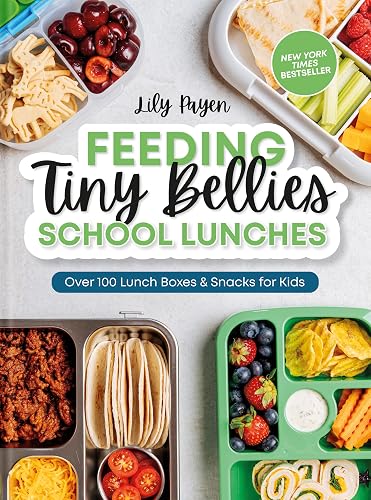 Best for varietyFeeding Tiny Bellies: School Lunches: Over 100 Lunch Boxes and Snacks for KidsView on Amazon
- 6
 Best budget pickEasy & Tasty School Lunches and Snacks for Kids: 100+ No-Stress School Lunch RecipesView on Amazon
- 7
 Best plant-based optionVegan Lunch Box: 130 Amazing, Animal-Free Lunches Kids and Grown-Ups Will Love!View on Amazon
Our Top Picks
| Product | Best for | Key feature |
|---|---|---|
| Feeding Littles Lunches | Overall family lunch planning | 75+ lunch formats with meal planning structure |
| Weight Loss For Kids 9-13 | Children ages 9–13 | Diet plans and snack ideas aimed at weight management |
| The Little Lunchbox Chef | Picky eaters ages 4–10 | Bento-style ideas kids are described as enjoying |
| Keto Kids Lunch: Parents Edition | Low-carb households | 40 breakfast, lunch and dinner recipes |
| Feeding Tiny Bellies: School Lunches | Rotating variety | 100+ lunch box and snack recipes |
| Easy & Tasty School Lunches and Snacks for Kids | Budget-minded weekly planning | 100+ recipes with quick family meal ideas |
| Vegan Lunch Box | Plant-based families | 130 animal-free lunch recipes |
Feeding Littles Lunches: 75+ No-Stress Lunches Everyone Will Love
Feeding Littles Lunches: 75+ No-Stress Lunches Everyone Will Love: Meal Planning for Kids
Best for: Overall family lunch planning
This book suits parents who want a repeatable system rather than a one-off recipe list. It is built around meal planning, so it helps you decide what goes in the box across a whole week, which is where most lunch routines break down.
Key specs
- Format: cookbook with 75+ lunch ideas
- Focus: no-stress, family-friendly lunches
- Includes meal planning guidance
Pros
- Strong structure for weekly planning
- Broad range of lunch formats
- Recipes are described as simple to assemble
Cons
- Not specifically weight-loss focused
- Portion guidance may need to be adjusted for your child
Bottom line: A good first purchase for parents who want an all-around lunch system they can use every school day.
Weight Loss For Kids 9-13: Healthy Diet Plans & Snack Ideas
Weight Loss For Kids 9-13: Healthy Diet Plans & Snack Ideas
Best for: Children ages 9–13
This guide is aimed directly at weight management for preteens, pairing diet planning with snack ideas. It is most useful for families who want structured guidance rather than only recipes, and it is worth reviewing with a pediatrician if your child has a specific health concern.
Key specs
- Age focus: 9–13 years
- Includes diet plans and snack ideas
Pros
- Directly addresses weight loss, not just general healthy eating
- Covers snacks as well as meals
- Useful framework for discussing eating habits with older kids
Cons
- Narrower age range than some alternatives
- Recipes may need adapting for a packed lunch
Bottom line: Best for parents of preteens who want a plan that goes beyond lunch. Consult a pediatrician before making major dietary changes for a child.
The Little Lunchbox Chef | Easy School Lunch Recipes, Fun Snacks, Bento Box Ideas & Healthy Meals for Children Ages 4–10
The Little Lunchbox Chef | Easy School Lunch Recipes, Fun Snacks, Bento Box Ideas & Healthy Meals for Children Ages 4–10: 32 Healthy Lunchbox Ideas Kids Actually Want to Eat
Best for: Picky eaters
Bento-style presentation is the main appeal here. Parents of younger children who resist new foods often find that a visually divided box makes it easier to get kids to try items they would otherwise skip.
Key specs
- Age range: 4–10 years
- Includes 32 healthy lunchbox ideas
- Bento box presentation
Pros
- Visual, kid-friendly presentation
- Covers both lunches and snacks
- Good starting point for younger children
Cons
- Fewer total recipes than the larger collections
- Not written with weight loss as the primary goal
Bottom line: A strong choice for parents of younger kids who need help getting lunches eaten, not just packed.
Keto Kids Lunch: Parents Edition: Tackling Child Obesity One Day at a Time
Keto Kids Lunch: Parents Edition: Tackling Child Obesity One Day at a Time, With 40 Easy-To-Make Delicious Breakfast, Lunch, and Dinner Recipes, Perfect for School and at Home.
Best for: Low-carb households
This book is built around a low-carbohydrate approach and is aimed at families dealing with childhood weight concerns. Because keto-style eating is a significant dietary change, it is worth discussing with a healthcare provider before adopting it for a child.
Key specs
- 40 breakfast, lunch and dinner recipes
- Low-carb focus
Pros
- Clear, specific approach to carbohydrate reduction
- Covers all three daily meals
- Written with a parent audience in mind
Cons
- Low-carb eating may not suit every child or family
- Fewer recipes overall than the larger collections
Bottom line: Pick this if your family is already committed to a low-carb pattern. Consult a pediatrician or registered dietitian first.
Feeding Tiny Bellies: School Lunches: Over 100 Lunch Boxes and Snacks for Kids
Feeding Tiny Bellies: School Lunches: Over 100 Lunch Boxes and Snacks for Kids
Best for: Rotating variety
With over 100 recipes, this collection is the most useful if your main problem is repetition. Parents who pack the same three lunches every week tend to find a larger recipe pool helps them rotate without planning from scratch each night.
Key specs
- Over 100 lunch box and snack recipes
- Focus on school lunches
Pros
- Large recipe pool reduces lunch fatigue
- Covers snacks alongside lunches
- Good for families packing lunches daily
Cons
- Not specifically designed around weight loss
- Large size means less focus on any single approach
Bottom line: Best for parents who want maximum variety and are willing to adjust portions themselves.
Easy & Tasty School Lunches and Snacks for Kids: 100+ No-Stress School Lunch Recipes
Easy & Tasty School Lunches and Snacks for Kids: 100+ No-Stress School Lunch Recipes Boys and Girls Will Love, easy Meal Planning for Kids and quick Ideas for Busy Families
Best for: Budget-minded weekly planning
This title combines a large recipe count with a planning focus, which makes it a practical choice for families who want to shop once and pack several days from the same ingredients. The recipes are described as quick, which suits busy weekday mornings.
Key specs
- 100+ school lunch and snack recipes
- Includes meal planning for kids and quick family ideas
Pros
- Strong emphasis on quick, low-effort prep
- Meal planning structure reduces weekly decisions
- Large recipe count for the price of a single book
Cons
- Not weight-loss specific
- Ingredient lists may not always align with a low-calorie goal
Bottom line: A sensible pick for parents who want quick, plannable lunches without a specialized diet approach.
Vegan Lunch Box: 130 Amazing, Animal-Free Lunches Kids and Grown-Ups Will Love!
Vegan Lunch Box: 130 Amazing, Animal-Free Lunches Kids and Grown-Ups Will Love!
Best for: Plant-based families
For families who eat plant-based, this is one of the larger recipe collections available. Whole-food, plant-based lunches are often naturally high in fiber, which many parents find helps kids stay full, though calorie content still depends on portions and added fats.
Key specs
- 130 animal-free lunch recipes
- Covers lunches for children and adults
Pros
- Very large recipe selection
- Plant-based meals tend to be fiber-rich
- Useful for family-wide lunch planning
Cons
- Requires a plant-based household or commitment
- Older title may not reflect newer ingredients
Bottom line: Best for families who already eat plant-based and want a large library of ideas.
Buying Guide
Recipe Scope and Variety
Look for a book with enough recipes that you will not repeat the same lunch more than once every two or three weeks. A larger pool helps prevent lunch fatigue, which is one of the most common reasons packed lunches get thrown away.
Good picks for this: Feeding Tiny Bellies: School Lunches, Vegan Lunch Box
Weight-Management Focus
Check whether the book is written for weight management specifically, or whether it is a general healthy-eating guide. Books that address children’s weight directly usually include portion guidance and snack planning as well as recipes.
Good picks for this: Weight Loss For Kids 9-13, Keto Kids Lunch: Parents Edition
Age Range
A book written for ages 4–10 will use simpler assembly and more visual presentation than one written for preteens. Match the book to your child’s age and eating habits rather than choosing the largest collection.
Good picks for this: The Little Lunchbox Chef, Weight Loss For Kids 9-13
Meal Planning Support
Books that include weekly planning structure save more time than recipe-only collections, because they reduce the number of decisions you make each morning. Look for shopping lists, rotation suggestions or batch-prep notes.
Good picks for this: Feeding Littles Lunches, Easy & Tasty School Lunches and Snacks for Kids
Dietary Approach
Decide whether your household needs a specific approach such as low-carb or plant-based before buying. These are significant changes, so confirm that a book’s approach is appropriate for a growing child before committing.
Good picks for this: Keto Kids Lunch: Parents Edition, Vegan Lunch Box
Practicality of Ingredients
Scan a few recipes before buying. If most require ingredients you rarely stock or long prep times, you will likely stop using the book within a month. Prefer titles where most recipes use common pantry and produce items.
Good picks for this: Feeding Littles Lunches, Feeding Tiny Bellies: School Lunches
Format and Durability
If you plan to use the book in the kitchen, a sturdy binding and a lay-flat design make it easier to follow recipes while cooking. Physical copies are easier to flip through quickly on busy mornings than digital files.
Good picks for this: The Little Lunchbox Chef, Easy & Tasty School Lunches and Snacks for Kids
FAQ
Can kids lose weight by changing their school lunches?
Lunch is one part of a child’s overall diet and activity. Changes to packed lunches can support healthier eating patterns, but weight management for children is best guided by a pediatrician, who can assess growth and health needs.
What makes a lunch filling for a child?
Lunches that combine protein, fiber and some healthy fat usually keep kids full longer than refined carbohydrates alone. Vegetables, fruit, beans, eggs, yogurt and lean meats are common building blocks.
How many lunch recipes do I need to avoid repetition?
Most families find that 10 to 15 rotating lunches cover two to three weeks without repeating the same meal too often. Larger recipe collections make this easier.
Should I restrict portions in my child’s lunch?
Restricting food can backfire, especially for children. A better approach is to offer balanced portions, include plenty of vegetables and fruit, and avoid labeling foods as good or bad. Talk with a pediatrician or registered dietitian before making portion changes.
Are low-carb lunches safe for kids?
Low-carbohydrate eating is a significant change and is not appropriate for every child. Always consult a pediatrician or registered dietitian before adopting a restricted diet for a growing child.
How do I get a picky eater to try new lunch foods?
Offer small portions of new foods alongside familiar ones, let kids choose between two options, and keep repeated exposure low-pressure. Bento-style boxes can make this easier by separating foods visually.
Do I need meal planning to pack healthy lunches?
It is not required, but it saves time. Planning a week of lunches at once and prepping components in batches can make weekday mornings much smoother.
Conclusion
For a complete weekly system, Feeding Littles Lunches is the most balanced starting point. Parents of preteens who want weight-focused guidance should look at Weight Loss For Kids 9-13, while those packing for younger children may prefer The Little Lunchbox Chef. Families with specific dietary approaches should choose between Keto Kids Lunch and Vegan Lunch Box depending on their goals, and parents who want maximum variety can start with Feeding Tiny Bellies or Easy & Tasty School Lunches and Snacks for Kids. Always check with a pediatrician before making major dietary changes for a child.
Sources
- Child and adolescent healthy weight guidance and growth charts (cdc.gov)
- Research on childhood obesity prevention and dietary patterns (nih.gov)
- Pediatric recommendations on nutrition and healthy weight in children (aap.org)
Before you buy: helpful guides
Related reading
- 6 Best South African School Lunch Ideas for Primary School Kids (2026)
- 6 Best Kids Lunch Ideas for Allergies: Picks for Safe Packed Lunches
- 6 Best Bentgo Kids Lunch Ideas Boxes for Busy Parents (2026)
- 5 Best Kids Lunch Ideas for Vegetarians (2026)
About Emily Parker
Emily Parker is part of our editorial team and reviews and edits our busy-mom life guides, checking product details against manufacturer specifications and owner feedback.


